
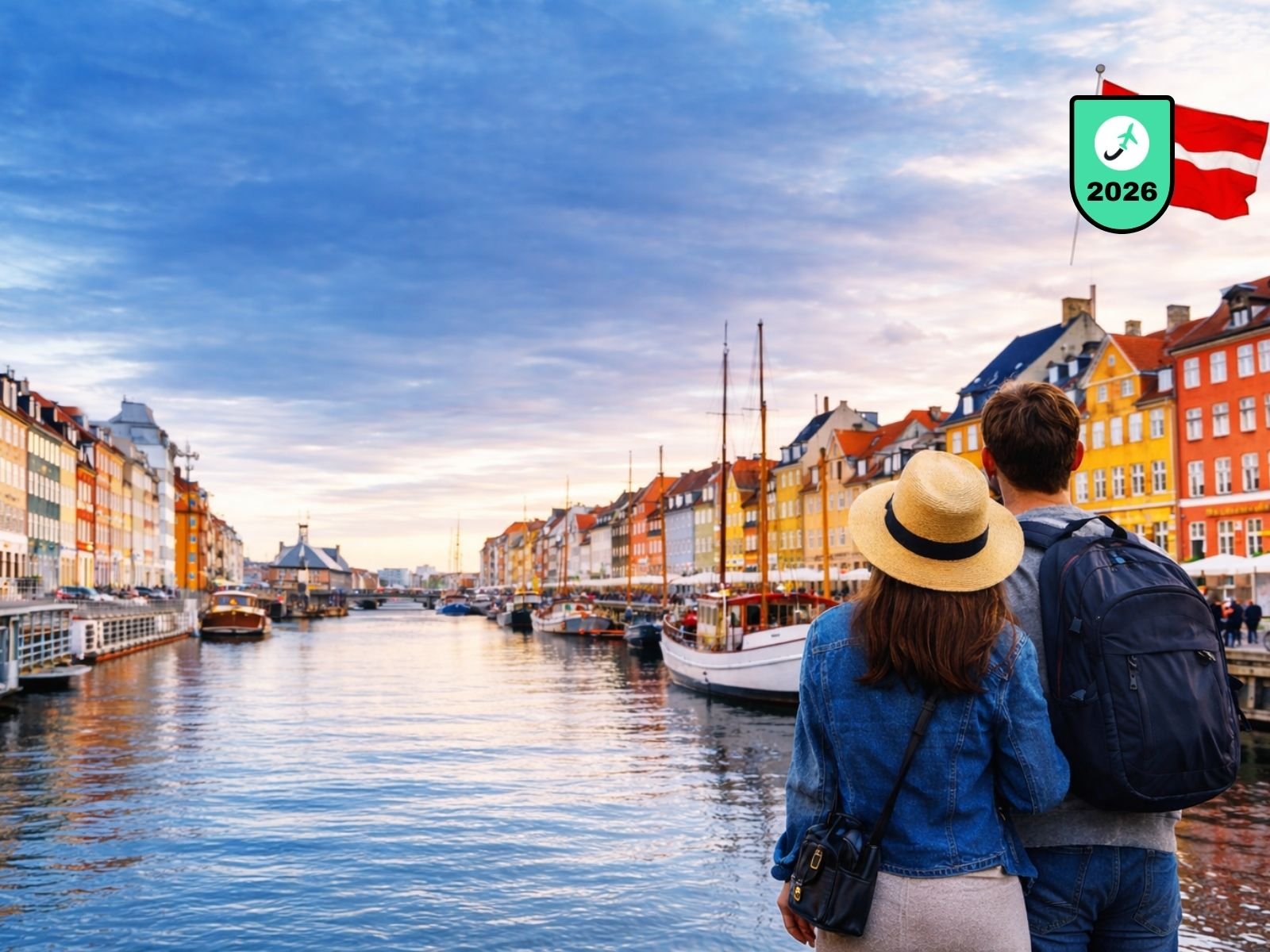
Planning your first trip to Denmark can sometimes be a thrilling and equally confusing experience. The nation’s streets, including those of the capital city Copenhagen, and the serene surroundings of villages and rural settings provide a delightful combination of a modern and traditional way of life. When preparing for your itinerary to Denmark for the first time, having a clear idea of your visit will allow you to avoid losing precious and precious time, money, and tension. A good place to stay is also important; hence, before you finalize your itinerary for Denmark, look for authentic hotels in Denmark that cater to your budget and accommodation needs.
This blog will walk you through everything you need to know from visa rules and transportation to food, accommodation, and daily budgeting. With the right preparation, your Denmark trip can become one of the most memorable experiences of your life.
Why Denmark Is Ideal for First-Time Travelers
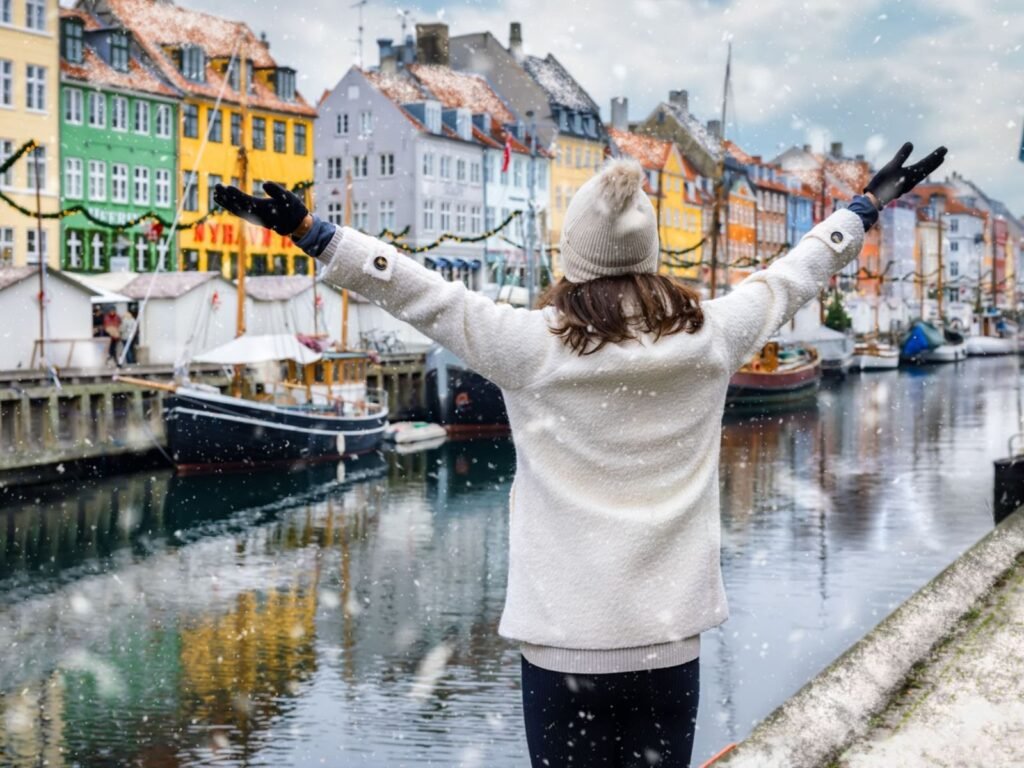
Denmark is one of the easiest European countries to explore, especially for newcomers. The country is clean, well-organized, and traveler-friendly. English is spoken almost everywhere, making communication easy. Public transportation works well, and tourist information is easily available.
The relaxed atmosphere and safety regulations provide reassurance for first-time travelers to Denmark. You can comfortably explore the cities, use public transportation, and explore the sights without fear or confusion.
Denmark’s balanced lifestyle is another major reason why first-time visitors are so attracted to Denmark. You can enjoy modern architecture, ancient castles, beaches, forests, and museums all within a short distance.
Best Time and Season to Visit Denmark
Choosing the best time to visit Denmark depends on your weather preferences, travel budget, and ability to tolerate crowds.
Summer months from June to August are the most popular. The weather is pleasant, days are longer, and festivals are common. However, prices for hotels and flights are higher.
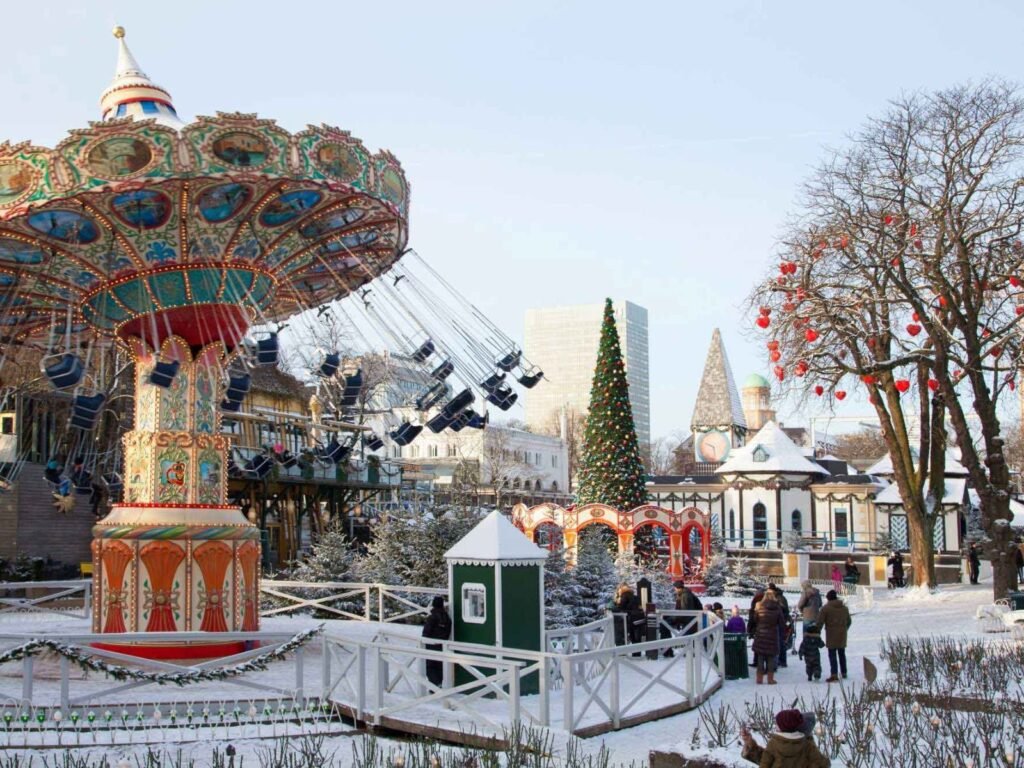
Spring (April to May) offers fewer tourists, blooming gardens, and reasonable prices. Autumn (September to October) brings beautiful landscapes and calm surroundings. Winter is cold but magical, especially during Christmas.
For most beginners, late spring and early summer provide the best balance between comfort and sightseeing.
Visa, Documents, and Travel Requirements
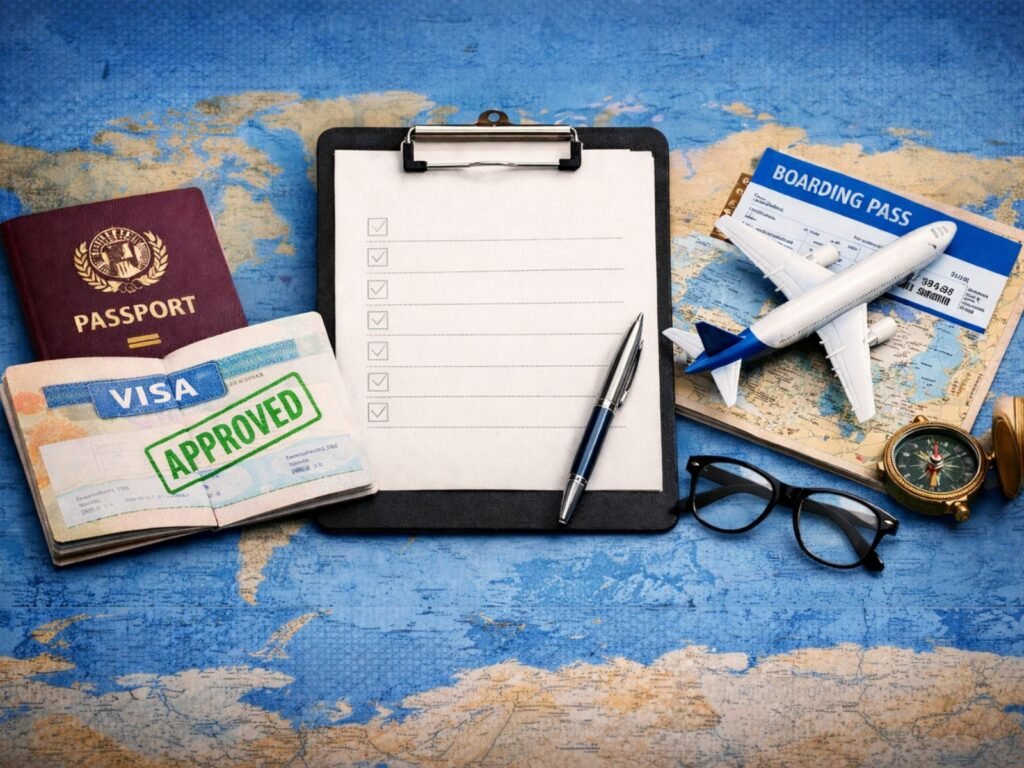
Always check the Denmark visa requirements for your country before booking your tickets. Denmark follows the Schengen visa rules.
Usually, travelers need:
- A valid passport
- Travel insurance
- Hotel booking confirmation
- Return flight tickets
- Bank statements
Apply for your visa at least 4–6 weeks in advance. Keep digital and printed copies of all documents during travel.
Transportation and Getting Around
Denmark has one of the best transport systems in Europe. Trains, buses, metros, and ferries connect almost every area.
Trains are fast and comfortable for commuting from city to city. Buses operate in rural areas and smaller towns. Copenhagen’s metro operates 24/7.
Cycling is also very popular, with many tourists renting bicycles to explore the cities like the locals.
If you plan to use public transport daily, travel passes and city cards can save money.
Planning Your Daily Route and Sightseeing
A simple Denmark travel itinerary helps you avoid rushing and enjoy each place properly.
If you are visiting for 7 days, a balanced plan could include:
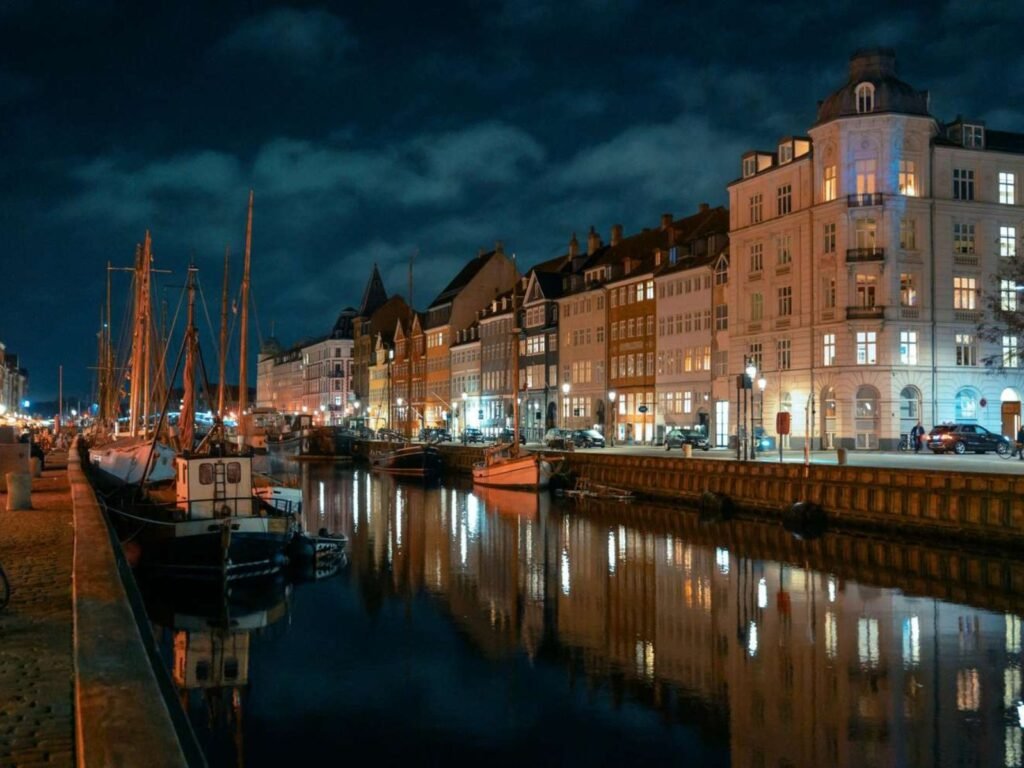
- Copenhagen for 2–3 days to see Nyhavn, Tivoli Gardens, castles, and shopping streets.
- A day trip to Helsingør to explore Kronborg Castle.
- A visit to Aarhus for museums and cultural experiences.
- Odense for literary history and peaceful streets.
- Optional trips to Skagen or Roskilde.
- Try not to overload your schedule. Denmark is best enjoyed slowly.
Where to Stay and Accommodation Options

Choosing the right accommodation in Denmark is important for comfort and convenience.
You can choose from:
- Luxury hotels near harbors
- Mid-range hotels in city centers
- Budget hostels
- Vacation apartments
Most travelers prefer staying near public transport stations.
If you are traveling with family or on a budget, exploring budget friendly hotels can help you reduce expenses without sacrificing comfort.
Always check reviews, location, and facilities before booking.
Food, Culture, and Local Lifestyle
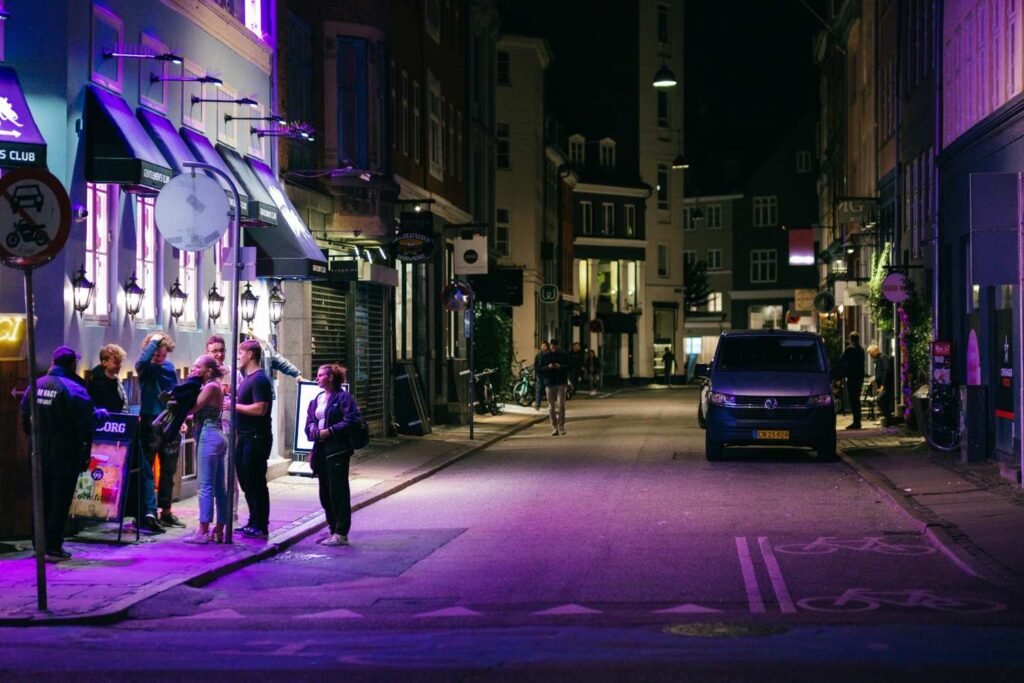
Danish food is simple, healthy, and tasty. Popular dishes include open sandwiches, pastries, seafood, and meatballs.
Restaurants offer lunch deals that are cheaper than dinner menus. Street food markets are also budget-friendly.
Danes value punctuality, honesty, and cleanliness. Respect personal space and follow public rules.
Tap water is safe to drink, and tipping is not mandatory.
Budget Planning and Money Tips
Denmark is expensive, but good planning can control costs.
Understanding Danish currency and payments helps in managing expenses. The Danish Krone is used, but cards are accepted almost everywhere.
Money-saving tips:
- Use public transport passes
- Eat bakery meals
- Book attractions online
- Travel off-season
Approximate daily budget:
- Budget: €60–80
- Mid-range: €100–150
- Luxury: €200+
Plan your spending before traveling to avoid surprises. For trusted travel planning tools, hotel options, and flight resources, you can visit Just Buy Travel to organize your trip more efficiently.
Packing and Safety Essentials
Pack according to season and activities.
Essential items include:
- Comfortable shoes
- Rain jacket
- Power adapter
- Travel documents
- First-aid kit
Denmark is very safe, but still keep valuables secure and follow basic precautions.
Always carry travel insurance for medical emergencies.
Final Travel Advice
Follow these Denmark trip planning tips for a smooth journey:
- Book tickets early
- Keep flexible schedules
- Download offline maps
- Learn basic Danish greetings
- Respect local customs
Good preparation ensures stress-free travel and better experiences
Frequently Asked Questions
1. Is Denmark suitable for first-time international travelers?
Yes, Denmark is one of the safest and easiest countries to visit. Public transport, English language support, and tourist facilities make it ideal for beginners.
2. How many days are enough for a Denmark trip?
A 6–8 day trip is perfect for visiting major cities and nearby attractions. Short trips of 3–4 days can cover Copenhagen.
3. Is Denmark expensive for tourists?
Yes, Denmark is costly compared to many countries, but smart budgeting, public transport passes, and affordable stays can reduce expenses.
4. Do I need cash in Denmark?
Very little cash is needed. Cards and mobile payments work almost everywhere.
5. What is the best way to travel between cities?
Trains are the fastest and most reliable option for intercity travel in Denmark.